Collateral body
Royal Arch of Jerusalem
The Holy Royal Arch of Jerusalem is, within the tradition of English regular Masonry, the natural culmination of symbolic Masonry.
- Reserved for Master Masons
- Independent of the Grand Lodge
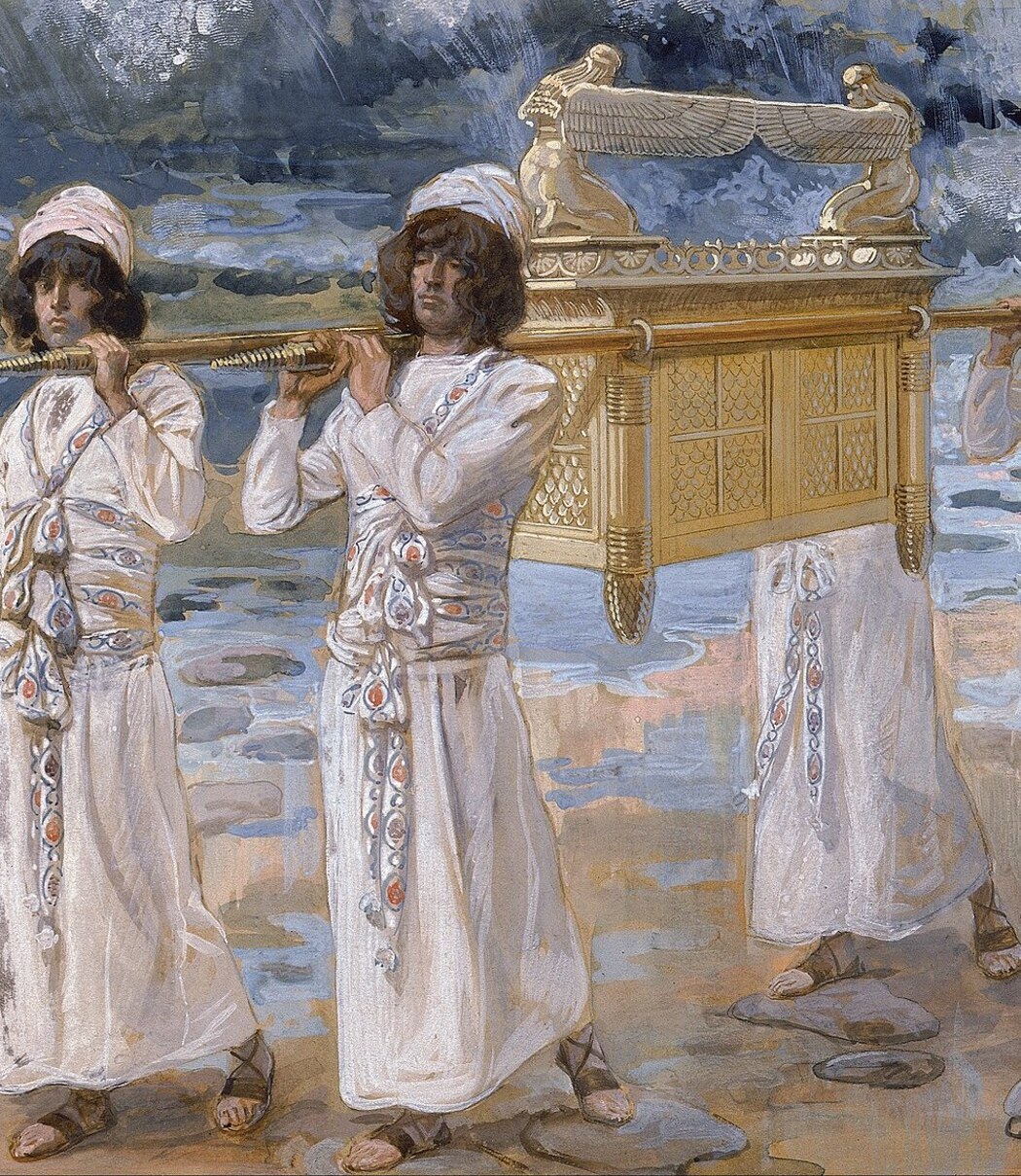
The United Grand Lodge of England describes it as the part that completes ‘ancient Masonry’: the three lodge degrees and, as their crowning, the Royal Arch. It is not a higher degree imposed on the lodge, but the completion of one and the same journey.
Where the Master degree leaves an open quest, the Royal Arch offers the rediscovery. It works in its own Chapters, under a Supreme Grand Chapter, and any Master Mason may join.
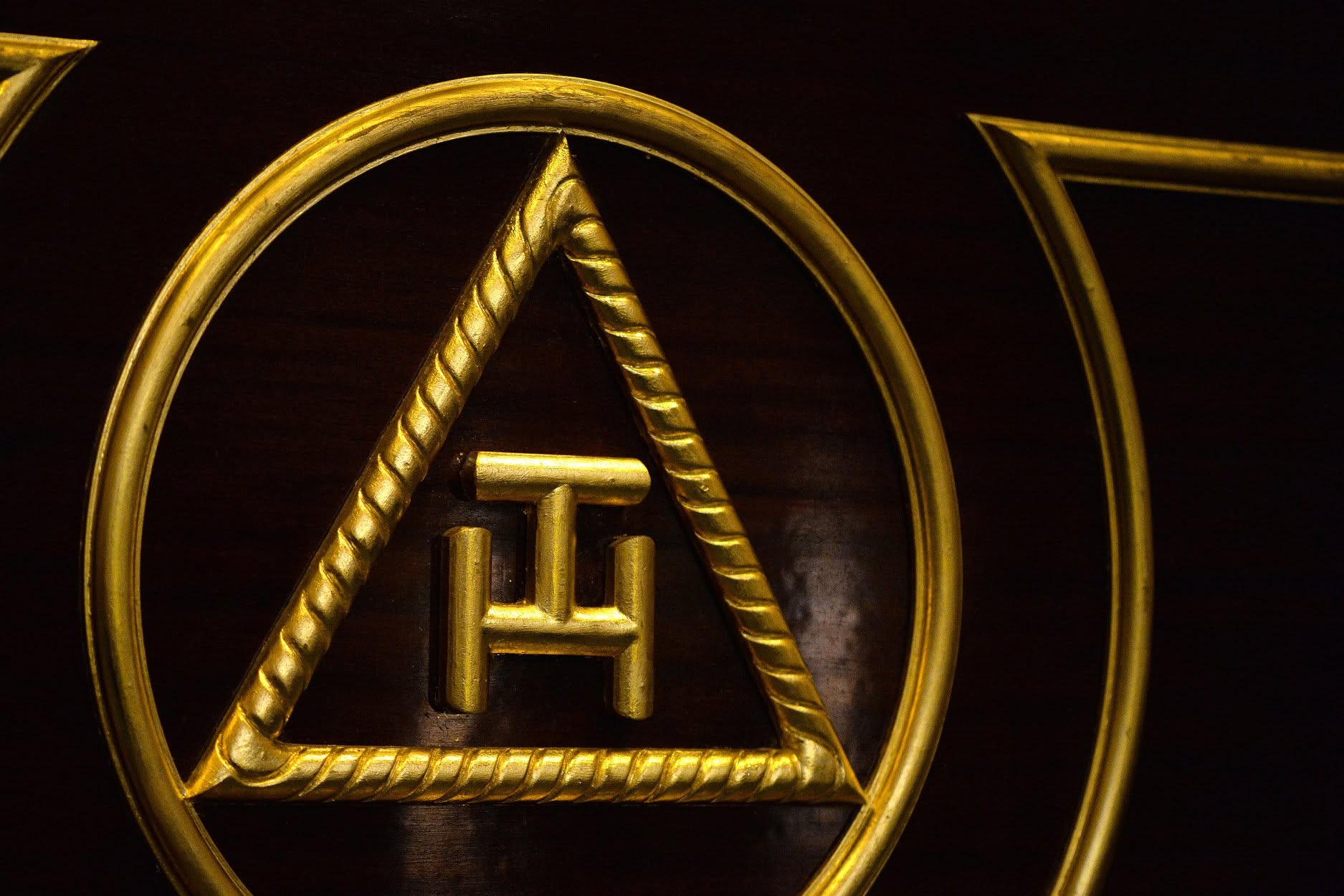
The Triple Tau, emblem of the Royal Arch
Origins and recognition
The Act of Union of 1813, which gave birth to the United Grand Lodge of England, put it in writing: ancient Masonry consists of three degrees and no more, “including the Supreme Order of the Holy Royal Arch”. The Royal Arch is no add-on: it completes the same journey.
The founding of the Royal Arch in Andorra
The Royal Arch came to Andorra in 2006. The United Grand Lodge of England, through its Supreme Grand Chapter, established it under the authority of the Grand Lodge of Andorra, linking the new jurisdiction to an older tradition. Our chapter works under the Minerva charter and answers directly to the Grand Lodge of Andorra.
The Royal Arch came to Andorra in 2006: the United Grand Lodge of England, through its Supreme Grand Chapter, set it up under the Grand Lodge of Andorra and linked it to an older tradition. Our chapter works under the Minerva charter and answers directly to the Grand Lodge.
On 27 April we received two older English chapters: Carlemany No. 3, formerly Hanworth Park Chapter No. 5634 (1985), and Arnau de Castellbò No. 4, formerly Fellowship Chapter No. 2535 (1896). On 2 June the Minerva chapter was consecrated in a ceremony led by M.E. Companion Richard Price, Grand Superintendent of Worcestershire.
Governance and presence
The Supreme Grand Chapter
It has governed the Royal Arch of the English tradition since 18 March 1817: the Supreme Grand Chapter of Royal Arch Masons of England.
The Chapters
Each Chapter has its own name and registration number and is usually attached to a mother lodge. To join, one must be a Master Mason.
International presence
There are Chapters in England, in Wales and in many districts overseas. Almost every regular Grand Lodge has its own Royal Arch.
Notable figures
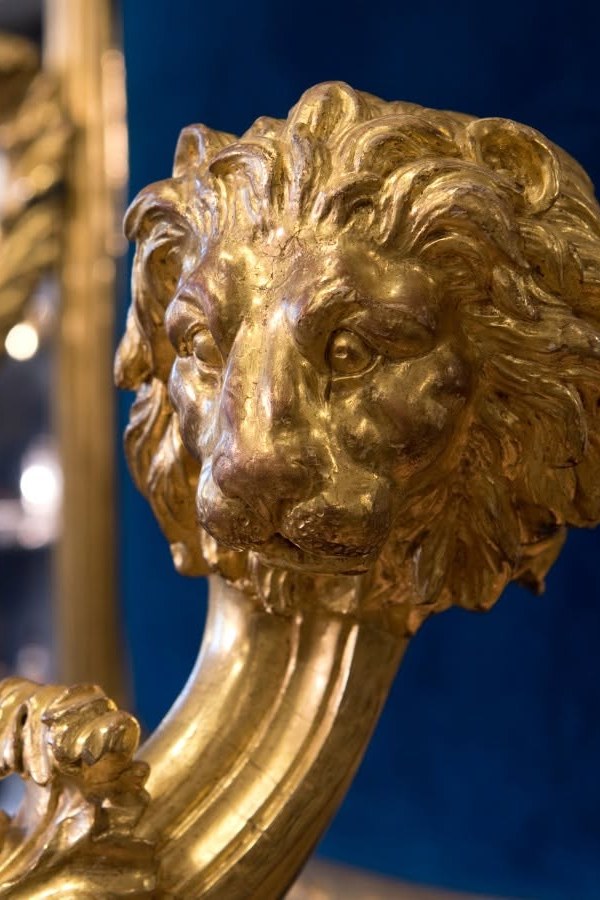
The lion, royal emblem.
The bond between the British Crown and the Royal Arch is old and well documented. HRH Henry Frederick, Duke of Cumberland and brother of King George III, was its Grand Patron in 1774 and, from 1776, First Grand Principal. A portrait of him in the robes of that office still hangs in Freemasons' Hall, London.
The British Crown and the Royal Arch share an old, documented bond. HRH Henry Frederick, Duke of Cumberland and brother of George III, was its Grand Patron in 1774 and First Grand Principal from 1776. His portrait in those robes hangs in Freemasons' Hall, London.
His nephew, the Duke of Sussex, son of George III, signed the union of 1813 that gave the Royal Arch its place in ancient Masonry and was the first Grand Master of the United Grand Lodge of England, until 1843.
In recent times HRH the Duke of Kent, who is also Grand Master of English craft masonry, has been First Grand Principal of the Supreme Grand Chapter since 1967.
Around the Lodge
Independent, but with a common prior condition
They are, then, paths of deepening that continue the work of the lodge—each order adding its own ritual and history upon the common foundation of the three degrees. Described here are the regular Masonic bodies that exist in Andorra; some brethren also take part in other Masonic bodies in other countries.
All collateral bodies
The path
It all begins in a lodge
These orders receive Master Masons. The path begins in a lodge of the Gran Lògia d'Andorra.
Become a Freemason All collateral bodies